Explore the dynamic world of pet grooming careers with a detailed look at the education and training pathways available.
From entry-level positions to advanced certifications pet universe cosmos, this article provides valuable insights for individuals seeking a fulfilling career in the pet care industry.
Discover the essential requirements, training programs, certifications, and continuing education opportunities that will equip you with the knowledge and skills needed to excel in this rewarding profession.
Your journey to becoming a skilled pet groomer awaits.

Pet Grooming Career Paths
In the field of pet grooming, individuals can pursue various career paths within grooming salons or veterinary clinics.
Grooming salons offer opportunities for groomers to work directly with pet owners, providing services such as bathing, haircuts, and nail trimming https://cosmos.petuniverse.com/. Groomers in these settings often develop close relationships with both the pets and their owners, creating a rewarding and fulfilling experience.
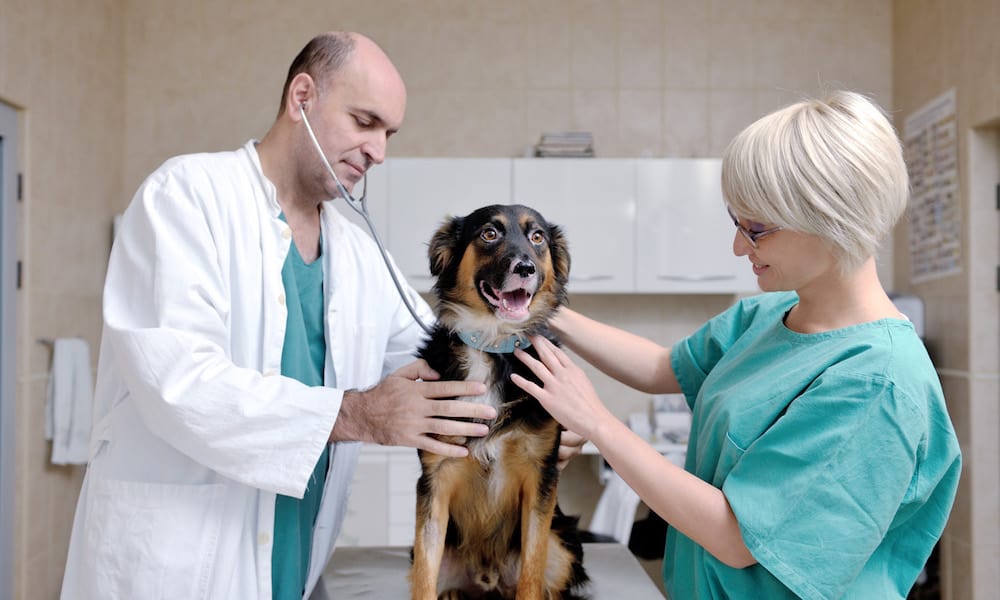
On the other hand, veterinary clinics also employ pet groomers to assist in maintaining the health and hygiene of animals. Within this setting, groomers may be involved in tasks such as cleaning ears, expressing anal glands, and checking for skin conditions. The dynamic environment of a veterinary clinic offers groomers the chance to work alongside other animal care professionals, broadening their skill set and knowledge base.
Whether in a grooming salon or a veterinary clinic, individuals in the pet grooming field have the freedom to choose a career path that aligns with their interests and goals.
Education Requirements
Within the realm of pet grooming career paths, individuals who aspire to excel in this field must meet specific education requirements. While formal education is not always mandatory, completing a training program or obtaining certification can significantly enhance job prospects and credibility within the industry.
Many aspiring pet groomers opt to enroll in vocational schools, community colleges, or specialized pet grooming academies to acquire the necessary skills and knowledge. These educational programs typically cover topics such as grooming techniques, breed-specific grooming standards, animal behavior, safety protocols, and business management.
Additionally, pursuing certification through reputable organizations like the National Dog Groomers Association of America (NDGAA) or the International Society of Canine Cosmetologists (ISCC) can demonstrate a groomer’s commitment to professionalism and excellence. These certifications often require passing written exams and practical demonstrations of grooming skills.
While hands-on experience is invaluable in this field, having a solid educational foundation can set individuals apart and open up opportunities for career advancement in pet grooming.
Training Programs
To further enhance their skills and knowledge in pet grooming, aspiring professionals often enroll in specialized training programs offered by vocational schools, community colleges, or pet grooming academies. These training programs cover a wide range of topics essential for a successful career in pet grooming, including breed-specific grooming techniques, handling and restraint, sanitation practices, skin and coat care, and customer service skills. Students receive hands-on training working with various breeds of dogs and other pets under the supervision of experienced instructors.
Training programs vary in length and intensity, with some offering short-term courses that focus on specific grooming skills, while others provide comprehensive programs that delve deeper into anatomy, behavior, and advanced grooming techniques. Many training programs also include opportunities for students to gain practical experience through internships or externships at grooming salons, veterinary clinics, or pet care facilities.
Upon completion of a training program, aspiring pet groomers may choose to pursue certification through professional organizations such as the National Dog Groomers Association of America (NDGAA) or the International Society of Canine Cosmetologists (ISCC) to further demonstrate their expertise and dedication to the craft.

Certifications and Licensing
After completing a training program in pet grooming, professionals often seek certifications and licensing to validate their expertise and enhance their credibility in the industry. These credentials not only demonstrate a groomer’s commitment to professionalism but also provide reassurance to pet owners seeking services. While certification is not legally required in all regions, it is highly recommended as it sets a standard of skill and knowledge within the field.
Various organizations offer certifications in pet grooming, such as the National Dog Groomers Association of America (NDGAA) and the International Society of Canine Cosmetologists (ISCC). Groomers can choose to specialize in areas like breed-specific grooming, creative grooming, or even becoming a certified master groomer. Each certification has its own requirements, which may include passing written exams, practical demonstrations, and continuing education credits to maintain certification status.
Licensing, on the other hand, is mandated by some states and local jurisdictions to ensure groomers meet certain health and safety standards. These regulations aim to protect both animals and clients, making it essential for groomers to familiarize themselves with their area’s specific licensing requirements. By obtaining certifications and licensing, pet groomers can distinguish themselves in a competitive market and build trust with their clientele.
Continuing Education Opportunities
Groomers who have obtained certifications and licensing often pursue continuing education opportunities to stay updated on industry trends and techniques. Continuing education is crucial in the pet grooming field as it allows groomers to refine their skills, learn about new grooming methods, and stay abreast of the latest industry standards. These opportunities may include attending grooming seminars, workshops, or conferences where groomers can network with industry professionals and gain insights into emerging trends.
Online courses are also popular among groomers looking to expand their knowledge without the constraints of traditional classroom settings. Additionally, participating in grooming competitions can provide valuable hands-on experience and a platform to showcase skills. By engaging in continuing education, pet groomers can enhance their expertise, attract more clients, and ultimately advance their careers in this dynamic and rewarding industry.
Conclusion
In conclusion, the field of pet grooming offers various career paths that require specific education and training. Individuals interested in pursuing a career in pet grooming should consider obtaining a formal education, completing training programs, and obtaining certifications and licenses to enhance their skills and credibility in the industry.
Continuing education opportunities are also available to keep up with the latest trends and advancements in pet grooming practices.
…